
Archpoint Training College Ltd
Martin Boulton
0 Course Enrolled • 0 Course CompletedBiography
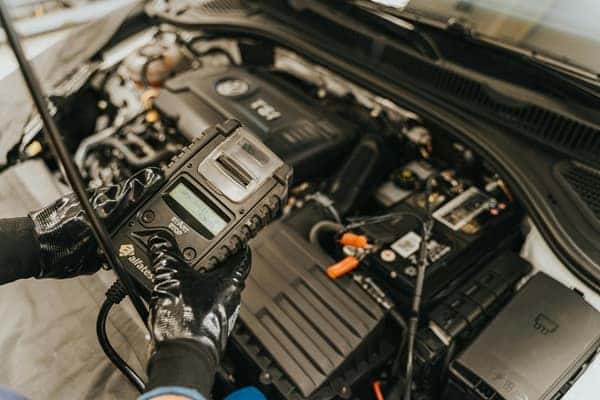 Since the first EV models were released, technology has advanced significantly. Additionally, the vehicle contributes to the cells' gradual balance, which promotes uniform performance throughout the pack. Therefore, if you notice that your car is heating up, you should pay attention to the car's batteries and schedule an appointment with our EV specialist. Temperature is a big one. These systems keep an eye on temperature, voltage, and current to maintain operation within ranges intended for long-term stability.
Driving your car down from 100% right after a morning charge is far worse than leaving it plugged in at 100% for days in the intense summer heat. The true cause of battery wear is a combination of factors rather than a single full charge. The most long-lasting damage is caused by the amount of time spent in high or low states of charge, not by the act itself. In a similar vein, it is more harmful to leave the battery almost empty than to fill it up.
Extreme temperatures that persist pose a greater risk. Lithium-ion batteries are heat-sensitive. There's a problem with your car overheating. Therefore, you should pay attention to the car's batteries and make an appointment with our EV specialist if you notice that your car is heating up. If you have any more questions, please feel free to comment below. Here are some of the most common queries concerning batteries for electric vehicles. Should you charge your EV battery to 100 percent?
For more information on how we maintain our EV batteries, see our FAHow do you maintain an EV battery? Charging to 100% does not damage EV batteries. Whether you're a novice or an experienced EV owner, hopefully this information has been helpful. If you have any other questions, please feel free to comment below! Let's say you wish to create an LED flashlight that is incredibly bright. You could consider utilizing a 12-volt lithium-ion battery. The battery's specifications may indicate that it can provide 25 amp hours of energy if you buy one online.
As long as you follow the recommendations for your vehicle and have the time, you should charge it all the way if possible. Your EV battery is more resilient than you might imagine, and charging anxiety should never overshadow the pleasure of driving an electric vehicle. Go ahead, though, if you forget or simply want the assurance of a full tank. Thus, when you need the range, charge to 100%. Setting a charge limit of about 80% is a straightforward, practical approach for https://autopowercare.com/ the great majority of everyday activities.
Another factor to consider is battery chemistry. As we mentioned above, this is a delicate and complex task that only an EV expert should handle.